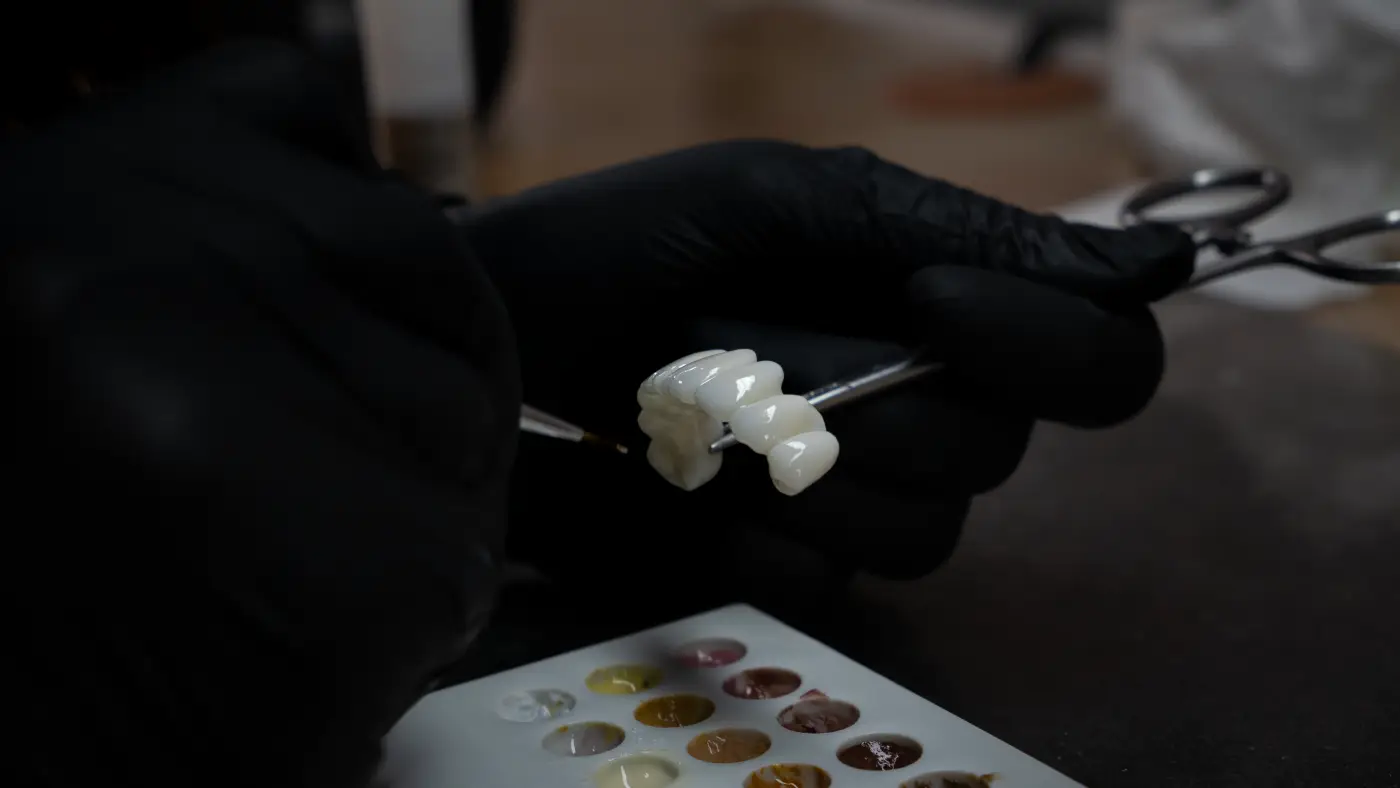
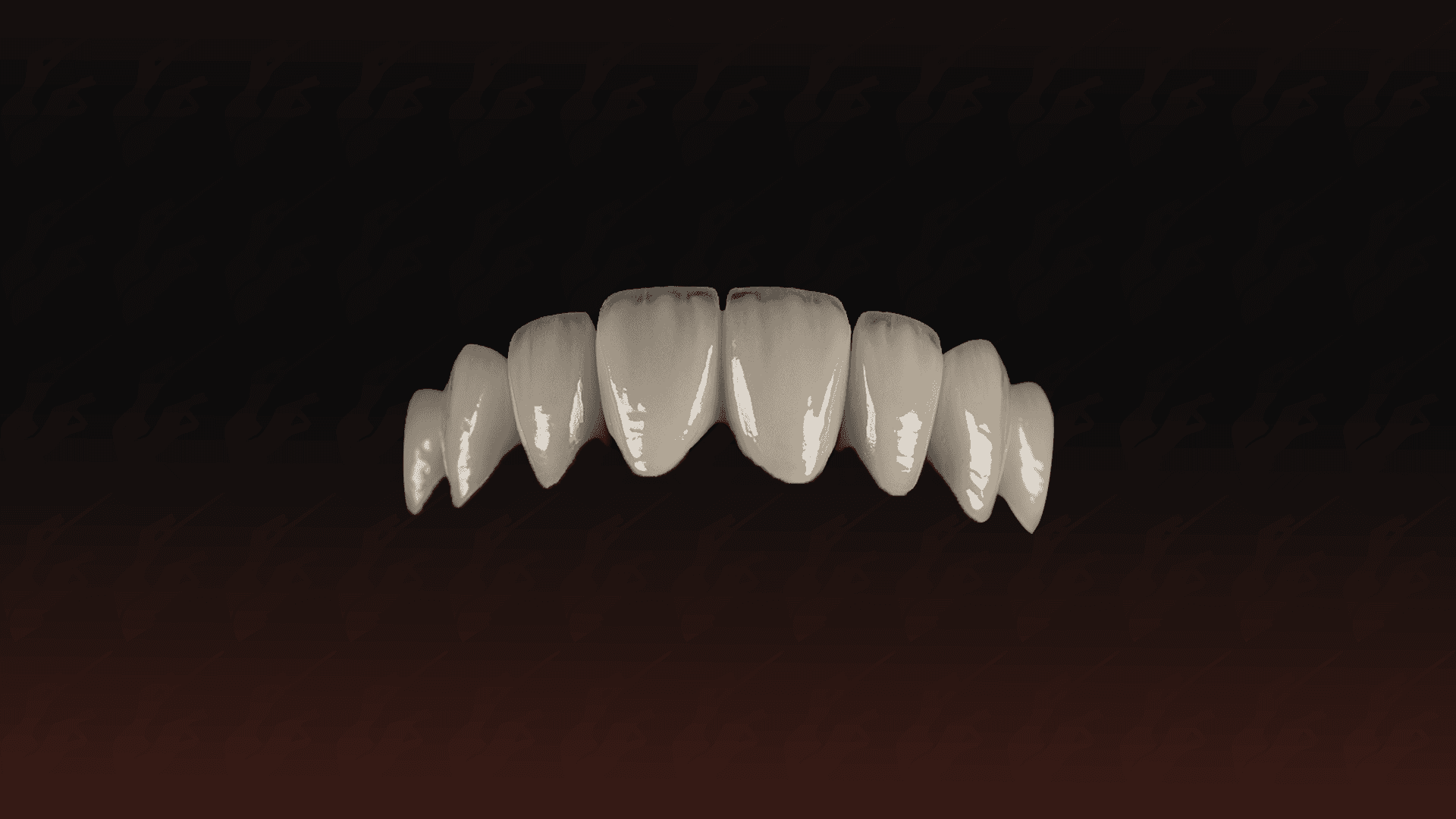
Zirconium crown, in modern dentistry, is a tissue-friendly ceramic restoration type developed for patients seeking both a natural appearance and high chewing resistance. Unlike traditional metal-supported porcelains, this material, which contains no metal, mimics natural tooth enamel thanks to its light-transmitting property. Zirconium dioxide component is processed at high temperatures in the laboratory to achieve a durability referred to as "white steel." Thanks to these features, zirconium has become the most preferred material in both anterior aesthetics and posterior functionality.
Application Areas of Zirconium Crowns
Zirconium restorations offer solutions across a very wide range in the clinical setting. They are used especially in the restoration of teeth with excessive substance loss, in protecting teeth weakened after root canal treatment, and in reconstructing teeth with aesthetic shape deformities.
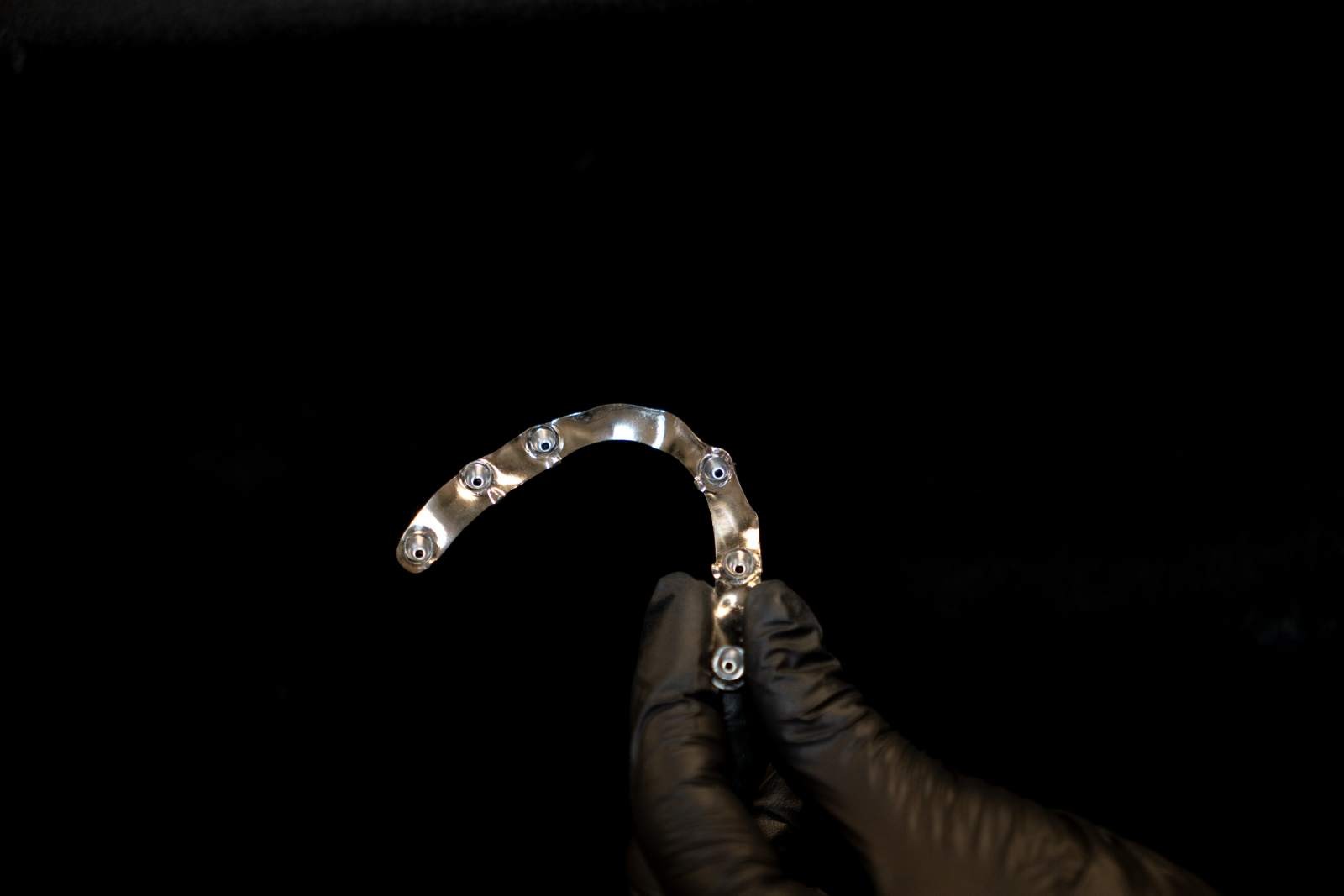
In addition, it is frequently preferred in implant-supported prostheses due to the excellent biocompatibility it provides with titanium. In bridge work used to replace missing teeth, long-lasting and reliable results are achieved thanks to zirconium's high tensile strength. In smile design processes, it is positioned as the main material to create a natural and bright smile in harmony with the patient's facial line.
Why Should Zirconium Crowns Be Preferred?
The biggest factor in preferring zirconium is that its biological compatibility is much higher than metal alloys. This material, which can be safely used in individuals with metal allergies, leaves no metallic taste in the mouth and does not cause gum recession.
In addition, its low thermal conductivity minimizes sensitivity that may occur in teeth during consumption of hot and cold food and drinks. Thanks to its maximum tissue-friendly structure, not causing discoloration or gray reflections at the point where it meets the gum is its greatest aesthetic advantage.
Aesthetic and Durability Advantages of Zirconium Crowns
Zirconium's aesthetic strength comes from its light transmittance (translucency) capacity. Natural teeth do not reflect light; they absorb and transmit it, and zirconium exhibits exactly this optical property. On the durability side, zirconium blocks can withstand pressure up to 1200 MPa. This reduces the risk of fracture under the chewing forces in the posterior region to almost zero.
Especially in monolithic zirconium applications, chronic problems such as porcelain chipping are eliminated. Being able to offer both aesthetics and such high strength at the same time places zirconium in an unrivaled position among porcelain restorations.
Zirconium Crown Application Process
The application process begins with the dentist preparing the teeth and taking digital impressions. The data obtained with the help of digital scanners is transferred to the laboratory environment without error. During this process, temporary teeth are placed for the patient, ensuring continuity of aesthetic and functional comfort. Nausea caused by impression trays or dimensional deviations seen in traditional methods are completely eliminated thanks to the digital workflow.
Design and Production Stage
At the laboratory stage, the tooth form is designed digitally at the micron level using CAD (Computer-Aided Design) software. These designed data are sent to 5-axis CAM (Computer-Aided Manufacturing) devices.
Zirconium blocks are milled in these devices and transformed into tooth form. Then, the restorations hardened in high-temperature sintering furnaces are colored and polished with the artistic touches of expert technicians. This digital process guarantees perfect compatibility between the tooth and the gum (marginal adaptation).
Differences Between Zirconium and Other Crown Types
The most fundamental difference between zirconium and metal-supported porcelains is the underlying material. In metal-supported systems, the opaque layer used to provide aesthetics causes the tooth to appear dull, whereas no such requirement exists in zirconium. Compared to E-max (lithium disilicate) restorations, zirconium is much more durable and therefore can be safely used in long bridges. In short, zirconium is an intermediate form that combines the strength of metal with the aesthetics of porcelain, offering the best features of both worlds.
Care After Zirconium Crown
The lifespan of zirconium crowns is directly related to the importance the patient gives to oral hygiene. As with natural teeth, brushing at least twice a day and regular use of dental floss are essential. Although the zirconium surface is resistant to plaque buildup, maintaining gum health is critical for the success of the restoration.
Regular dental checkups should not be neglected in order to monitor the health of the tissues beneath the restoration. In addition, avoiding habits such as cracking hard-shelled nuts with your teeth is a simple but effective step that helps zirconium remain in the mouth for life.
Frequently Asked Questions About Zirconium Crowns
Do zirconium teeth turn yellow?
No, the smooth and polished surface of zirconium is highly resistant to external stains; it does not change color due to factors such as tea, coffee, or smoking.
Will I feel pain when getting zirconium?
Since the procedure is performed under local anesthesia, no pain is felt. After the preparation stage, your temporary teeth are placed immediately.
How long do zirconium crowns last?
With good oral care, they can be used trouble-free for 15-20 years, or even much longer.
Maestro Dental Laboratory Difference:As Maestro Dental Laboratory, we see zirconium not just as a material, but as a digital work of art. With our most advanced CAD/CAM setup and multilayer zirconium technology, we provide our dentists with flawless passive fit and our patients with the natural smile of their dreams. Every zirconium crown produced at Maestro Dentallab passes high durability tests and meets the purest form of aesthetics.

" height="19px" id="G001Zjy9X" transform="translate(3 3)" width="19px"/></svg>)
