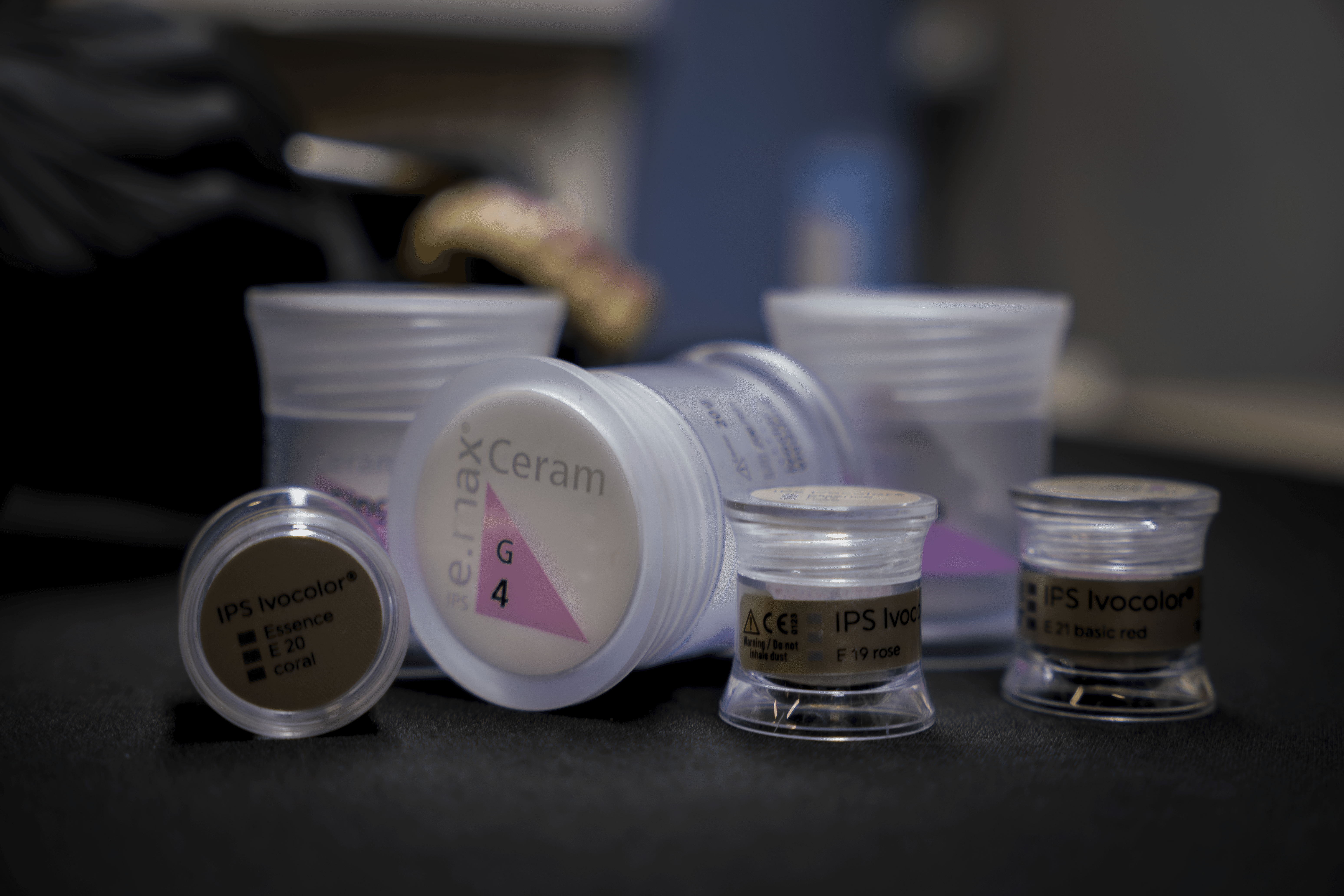
Material selection in dental restorations is not only an aesthetic choice; it is also a critical decision that directly affects biomechanical, functional, and long-term clinical success. Today there is a wide range of materials, from zirconia to lithium disilicate, from hybrid composites to metal-supported systems. While this diversity makes it difficult to choose the right material, it also offers the possibility of creating customized solutions for each case. Therefore, material selection should be made with case-based evaluation rather than a standard approach.
When the right material is not selected, complications such as fracture, wear, aesthetic insufficiency, or damage to opposing teeth may occur. This not only shortens the lifespan of the restoration but also seriously affects patient satisfaction. Therefore, an approach in which the clinician and the laboratory work together and technical data are evaluated from the planning stage onward forms the basis of modern prosthetic treatment. At this point, Maestro Dental Lab dental laboratory makes an active contribution to the correct material selection process through case-based analysis and technical guidance.
Key Factors Determining Material Selection
The first element to evaluate in restorative material selection is the occlusal loads the restoration will be exposed to. Restorations in the posterior region, being subjected to high chewing forces, require materials with greater strength and fracture resistance. In such cases, monolithic zirconia or metal-supported systems come to the forefront, whereas in the anterior region, where aesthetic expectations are more dominant, materials with higher translucency are preferred.
The second important criterion is the position and width of the restoration. While more conservative solutions are preferred for small and medium-sized restorations, teeth with extensive loss of tooth structure require more rigid and supportive materials. Especially in long-span bridges, the elastic modulus and bridging capacity of the material are among the main factors determining the success of the restoration.
Patient-related factors also play a decisive role in material selection. Bruxism (teeth grinding), muscle force, habits, and systemic conditions directly affect the strength and wear characteristics of the material to be used. For example, choosing a weak material that is primarily aesthetic for a patient with high chewing forces may quickly lead to complications.
Aesthetic Expectation and Optical Properties
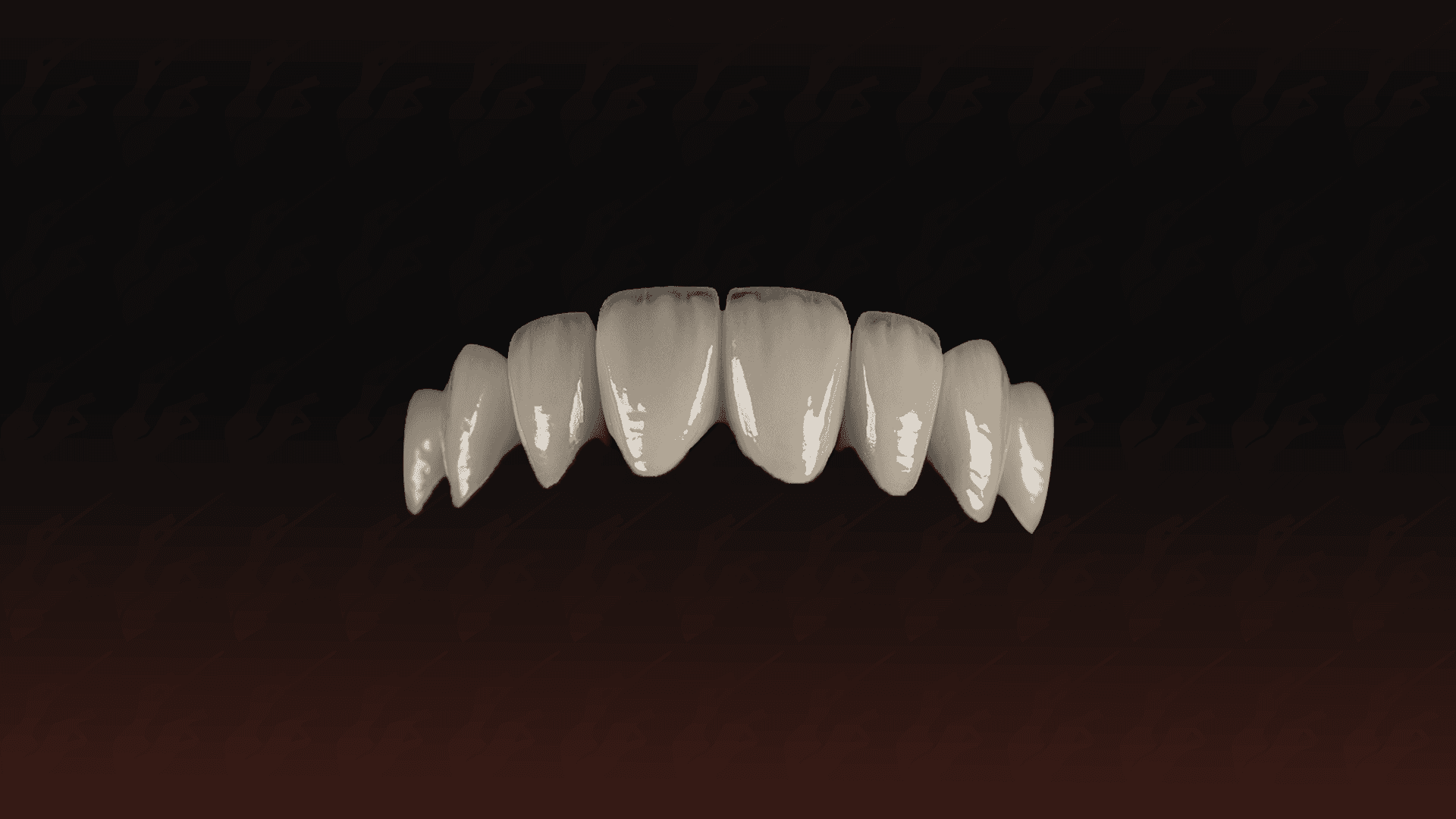
Aesthetic expectation is a decisive factor in material selection, especially for anterior restorations. Optical properties such as translucency, opacity, color stability, and surface characterization play a critical role in achieving a natural tooth appearance. At this point, the new-generation translucent versions of zirconia and lithium disilicate-based systems stand out in cases with high aesthetic expectations.
However, aesthetics alone is not always sufficient. Overly translucent and aesthetic materials may be mechanically insufficient under high stress. Therefore, a balanced choice should be made between aesthetics and strength, and the material should be evaluated together with the functional requirements of the case.
Biomechanical Compatibility and Opposing Tooth Interaction
The biomechanical compatibility of the restorative material with natural tooth tissue is another factor that should not be overlooked for long-term success. While very hard materials can cause wear on opposing teeth, more flexible materials can absorb chewing forces and protect both the restoration and the opposing tooth. Therefore, especially in patients with parafunctional habits, it is important to prefer materials that are friendly to antagonist teeth.
In implant-supported restorations, the situation becomes even more critical. Due to the absence of the periodontal ligament found in natural teeth, implants cannot absorb incoming forces. Therefore, the stress-dissipation capacity of the material and occlusal planning should be evaluated together.
Role of Laboratory and Digital Production
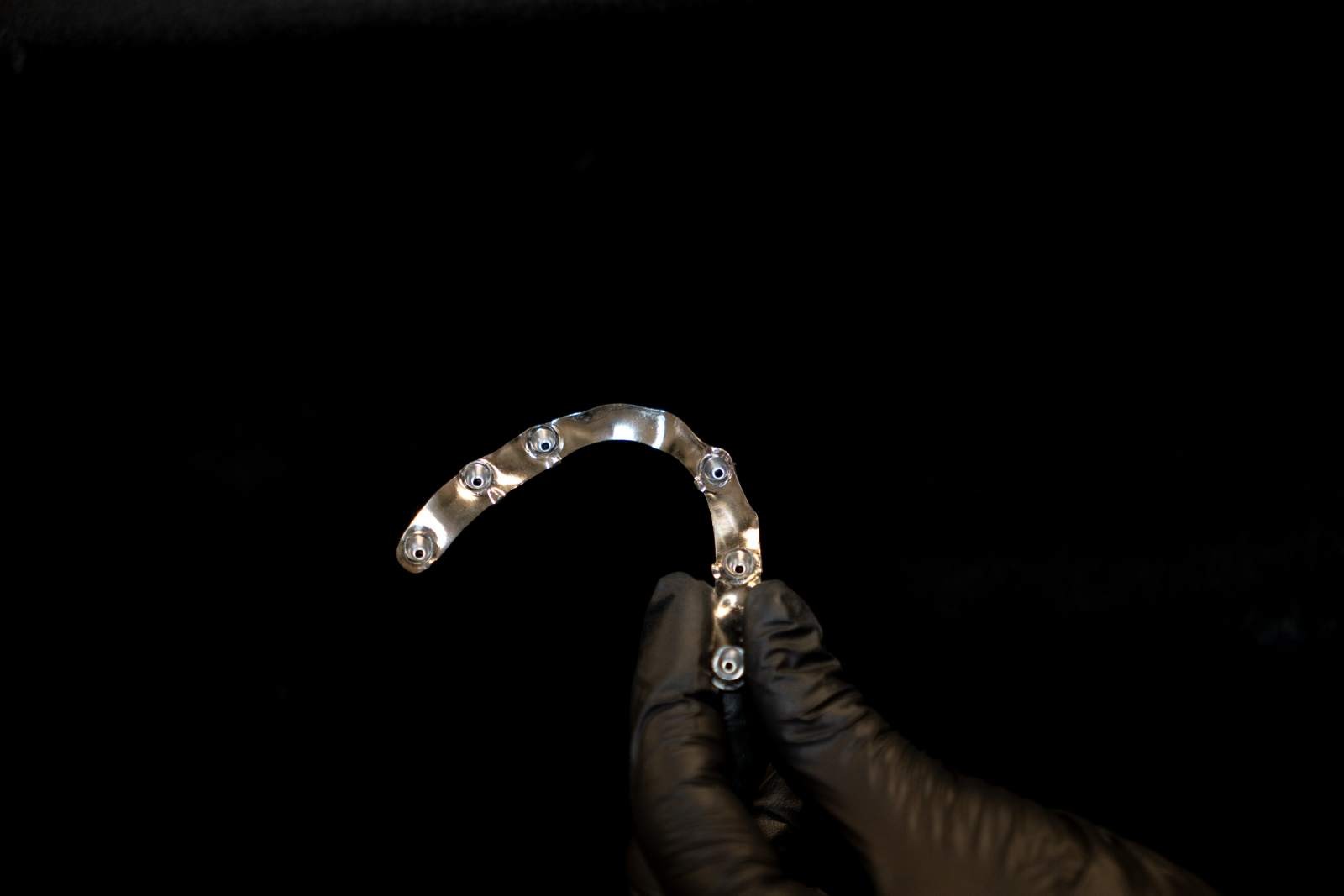
Today, with the development of CAD/CAM technologies, material selection is closely related not only to clinical factors but also to manufacturing technologies. Digitally produced restorations offer a more homogeneous structure, a lower margin of error, and higher precision of fit. This provides a major advantage especially for full-arch restorations and implant-supported cases.
The experience of the laboratory, the brand of material used, and the production protocol are just as important as the material itself. The same material can produce completely different clinical results with different manufacturing techniques. Therefore, communication between the clinician and the laboratory is an inseparable part of material selection. In this process, Maestro Dental Lab dental laboratory provides support to clinicians in choosing the right material and design with its digital production infrastructure and technical expertise.
No Single Right Answer, Only the Right Case Selection
It is not possible to speak of a single "best" option for material selection in dental restorations. The correct approach is to determine the most suitable material by evaluating the case's functional requirements, aesthetic expectations, and patient habits together.
A successful restoration is achieved by using the right material in the right case. At this point, the cooperation between the clinician and the laboratory is not merely a technical necessity; it is the most important element determining the success of the treatment.

" height="19px" id="G001Zjy9X" transform="translate(3 3)" width="19px"/></svg>)
