Digital Smile Design (DSD) is far more than a patient communication tool. It serves as a digital bridge between the clinician and the dental laboratory, enabling precise treatment planning, predictable outcomes, and seamless collaboration throughout the restorative workflow.
In traditional workflows, laboratory technicians often rely on written instructions, stone models, and physical impressions to interpret the clinician’s vision. With Digital Smile Design, this process becomes fully data-driven, allowing every restoration to be designed with greater accuracy, efficiency, and predictability.
1. Eliminating Guesswork with Clear Digital Guidelines
Conventional communication between clinicians and technicians often includes subjective instructions such as “Make the central incisors slightly longer” or “Create a more dynamic smile.” These descriptions leave room for interpretation.
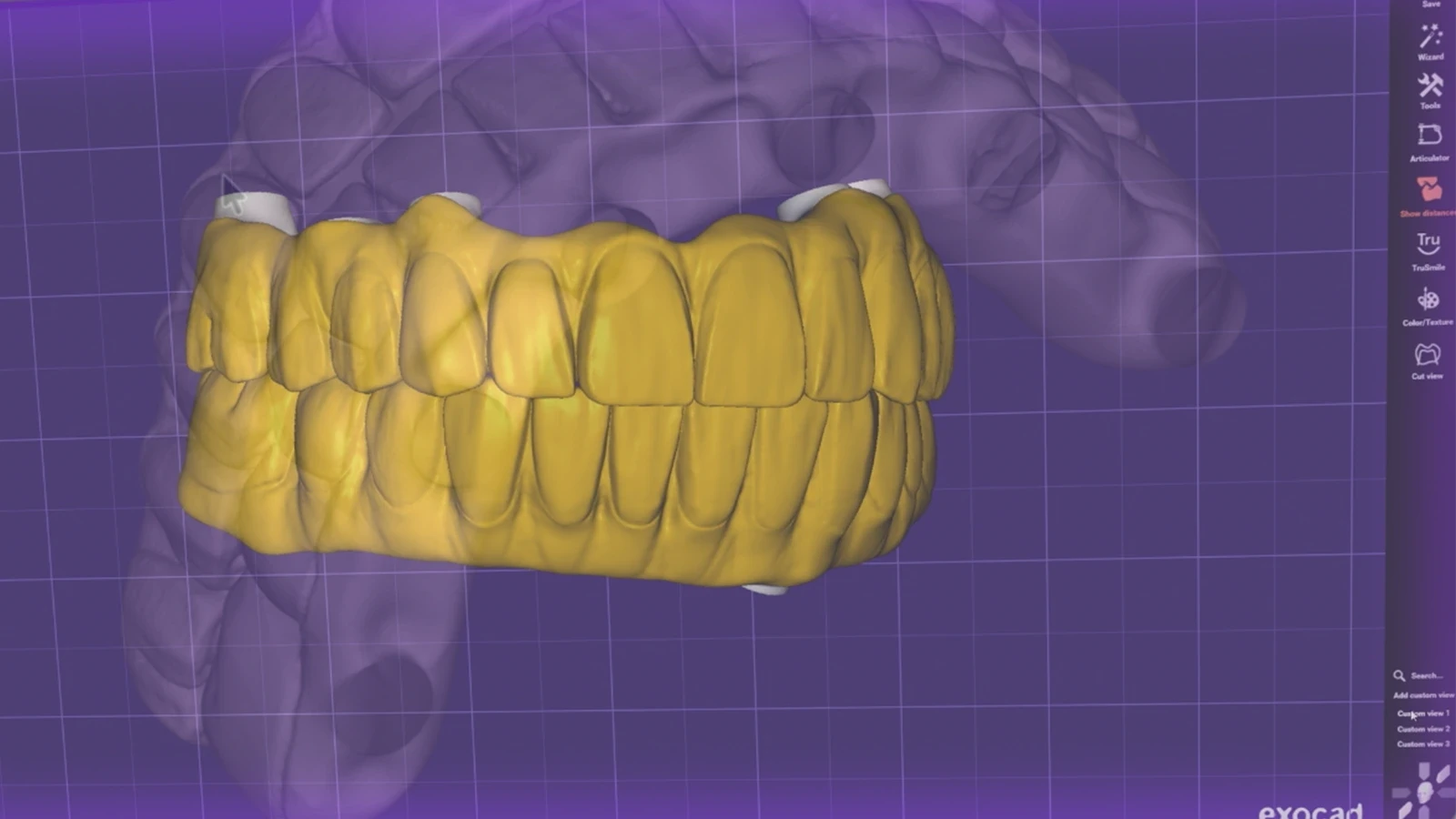
With DSD, high-resolution photographs, facial analysis, and 2D smile designs are integrated into CAD software such as Exocad. Technicians can accurately position tooth morphology according to the patient’s facial proportions, interpupillary line, smile line, and lip dynamics. As a result, restorations are designed according to objective digital references rather than personal interpretation.
2. Predictable Mock-Ups and Provisional Restorations
One of the greatest advantages of Digital Smile Design is the ability to create highly accurate digital wax-ups and mock-ups before definitive treatment begins.
By combining the patient’s intraoral scan (STL file) with facial design data, the laboratory produces a three-dimensional diagnostic model. Using 3D printing technology, this design is converted into a mock-up that fits precisely in the patient’s mouth. Once approved by both the clinician and the patient, the mock-up becomes the blueprint for the final zirconia or lithium disilicate restoration.
3. Reduced Remakes and Greater Laboratory Efficiency
Remakes caused by occlusal discrepancies, incorrect vertical dimension, or unsatisfactory esthetics represent one of the largest sources of wasted time and cost for dental laboratories.
Because the restoration is digitally evaluated and validated before production, unexpected adjustments during the final stages are significantly reduced. Digital Smile Design minimizes chairside modifications, decreases laboratory remakes, and creates a more efficient workflow for both clinicians and technicians.
4. Maximum Precision in CAD/CAM Manufacturing
Digital Smile Design considers not only esthetics but also function and biomechanics throughout the restorative process.
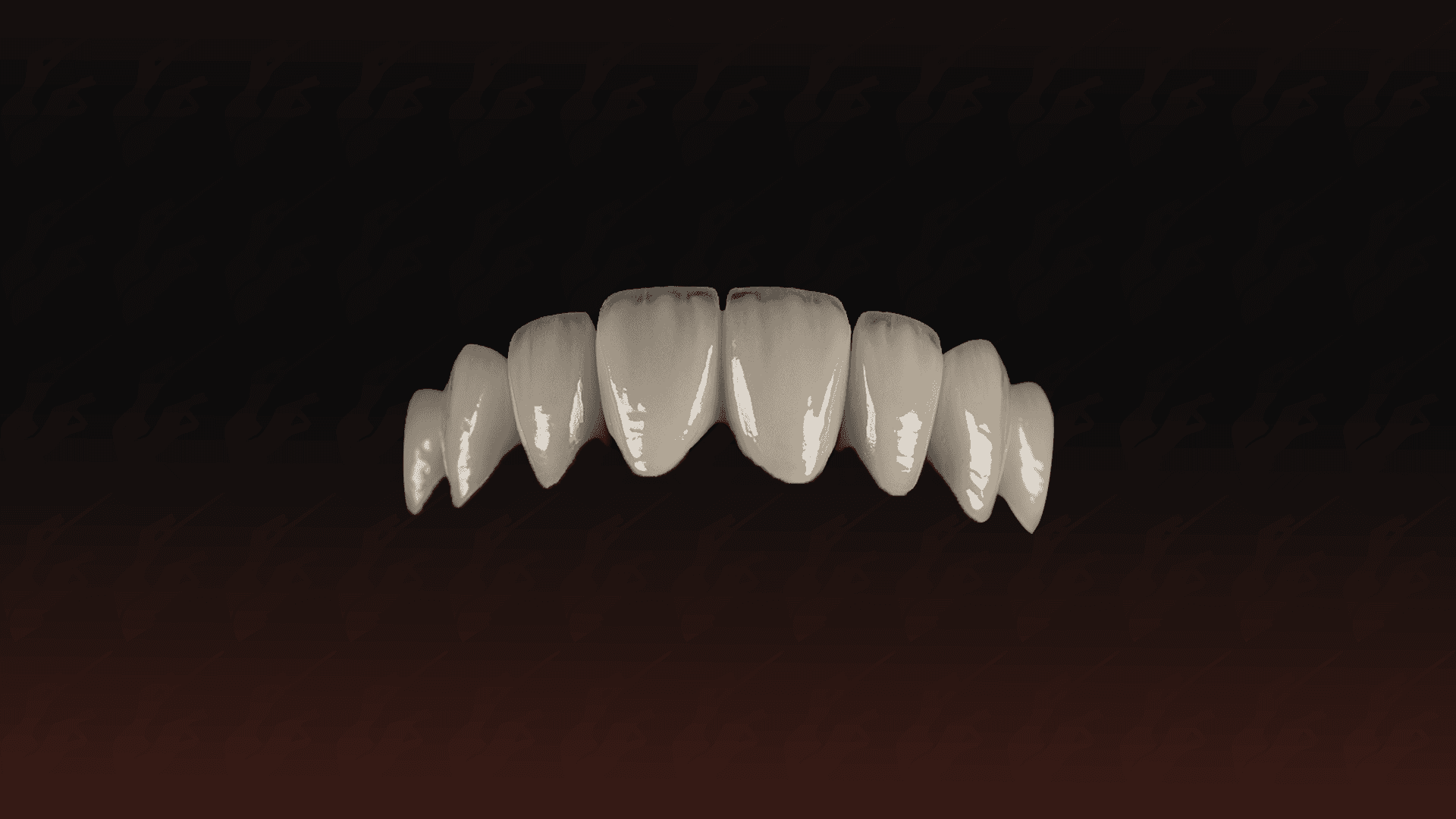
Once the ideal smile has been finalized, the digital design is transferred directly to CAD/CAM milling systems. Multilayer zirconia and lithium disilicate restorations can be manufactured with exceptional precision, accurately reproducing the original digital design while maintaining excellent marginal adaptation and long-term clinical performance.
5. Creating a Shared Digital Language Between Clinician and Technician
Many restorative complications originate from communication gaps between the clinic and the laboratory.
DSD establishes a collaborative digital workflow where clinicians and technicians can review the same case simultaneously using cloud-based platforms. If the technician identifies an issue—such as insufficient material thickness or inadequate tooth preparation—it can be discussed and resolved digitally before manufacturing begins. This proactive communication minimizes delays and improves the predictability of the final restoration.
————-
Digital Smile Design transforms the dental laboratory from a manufacturing facility into a true treatment-planning partner. By integrating facial analysis, digital workflows, CAD/CAM technology, and real-time collaboration, DSD enhances communication, reduces remakes, improves production efficiency, and delivers highly predictable esthetic outcomes.
The result is a more efficient clinical workflow, a more confident laboratory team, and patients who receive restorations that accurately reflect both functional requirements and esthetic expectations.

" height="19px" id="G001Zjy9X" transform="translate(3 3)" width="19px"/></svg>)
