
15-Point Quality Control Checklist Before Delivering a Dental Restoration
A high-quality restoration is achieved not only through precise manufacturing but also through a robust quality control system. In this guide, we review the 15 critical checkpoints that should be verified before a restoration is delivered to the clinic.
Learn the essential quality control procedures every dental laboratory should perform before delivering a restoration. From marginal fit to passive seating, explore this comprehensive 15-point quality control checklist.
A well-structured quality control system improves marginal fit, minimizes remakes, and enhances dentist satisfaction.
In this guide, we outline the essential quality control criteria every dental laboratory should verify before sending a restoration to the clinic.
Why Is Quality Control Important?
Quality control is not performed solely to identify manufacturing errors.
It also helps to:
• Ensure the restoration fits properly during the first clinical try-in.
• Reduce chairside adjustments and remakes.
• Strengthen communication between the dental laboratory and the clinician.
• Contribute to long-term biological and mechanical success.
Dental Laboratory Quality Control Checklist
✓ 1. Have the Preparation Margins Been Identified Correctly?
Preparation margins must be accurately defined so the restoration can be designed accordingly.
Check:
• Are any margins missing?
• Is there any loss of scan data?
• Is the digital model clear and complete?
⸻
✓ 2. Has the Marginal Fit Been Verified?
Poor marginal adaptation may lead to:
• Plaque accumulation
• Cement dissolution
• Secondary caries
• Gingival complications
Marginal fit should always be inspected under magnification before delivery.
⸻
✓ 3. Are the Contact Points Correct?
Excessively tight contacts may prevent proper seating, while loose contacts can result in food impaction.
Verify:
• Mesial contact
• Distal contact
• Dental floss test
⸻
✓ 4. Has the Occlusion Been Checked?
Using an articulator, evaluate for:
• Premature contacts
• Occlusal imbalance
• High spots
⸻
✓ 5. Has the Restoration’s Fit Been Evaluated?
Especially for implant-supported restorations, verify:
• Passive fit
• Internal adaptation
• Seating accuracy
⸻
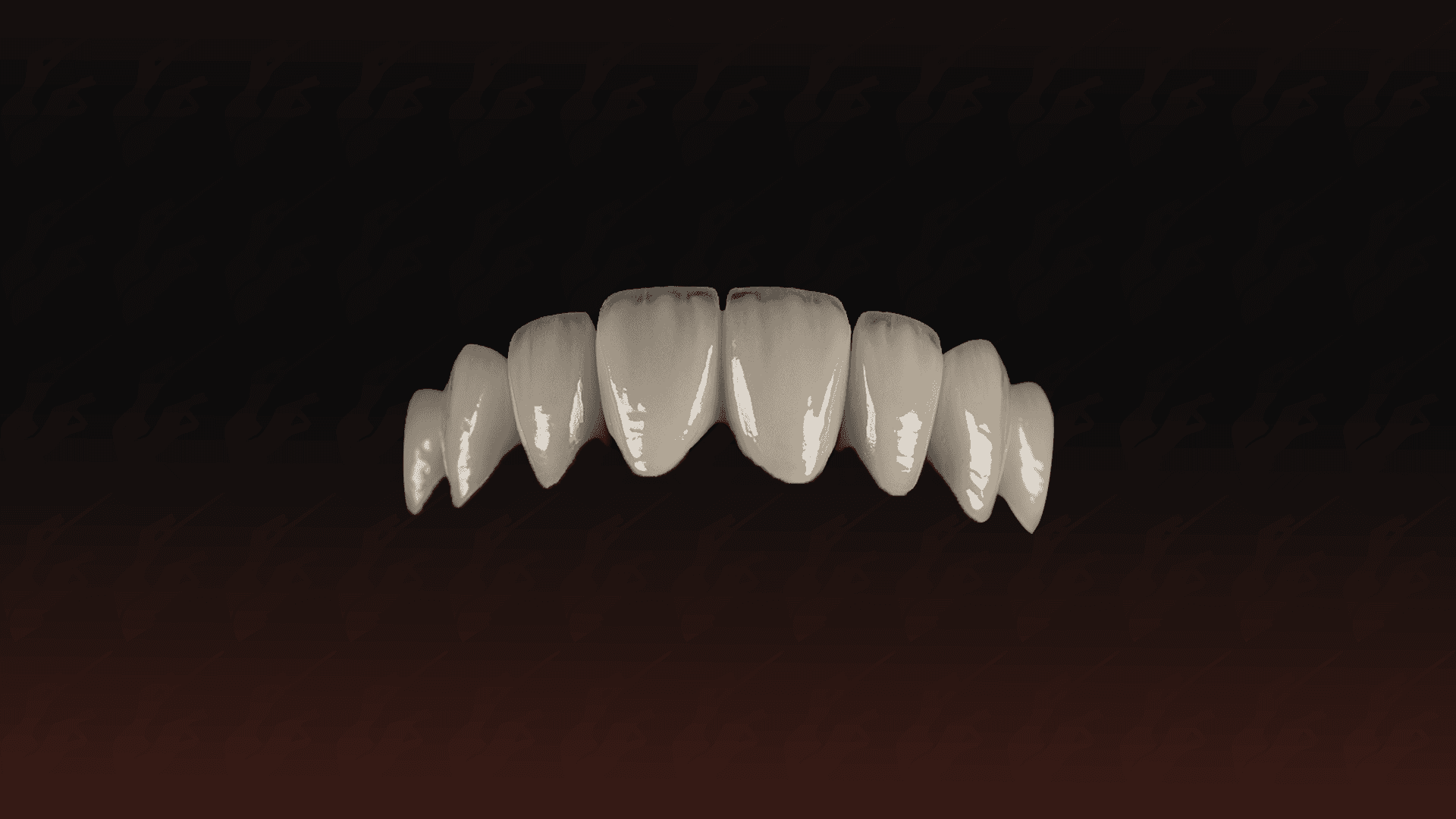
✓ 6. Is the Anatomical Form Accurate?
The restoration should replicate natural tooth morphology, including:
• Fissures
• Cusps
• Embrasures
• Contact areas
⸻
✓ 7. Has the Shade Been Verified?
Evaluate:
• Shade
• Value
• Chroma
• Translucency
• Cervical transitions
A final assessment under natural daylight is recommended.
⸻
✓ 8. Has the Surface Texture Been Completed?
A natural-looking restoration depends on more than color alone.
Assess:
• Microtexture
• Macrotexture
• Surface gloss
• Glaze quality
⸻
✓ 9. Has the Restoration Been Properly Polished?
Insufficient polishing may:
• Increase wear of the opposing dentition
• Promote plaque accumulation
⸻
✓ 10. Is the Material Free of Cracks or Damage?
Inspect under magnification for:
• Microcracks
• Porcelain fractures
• Edge defects
⸻
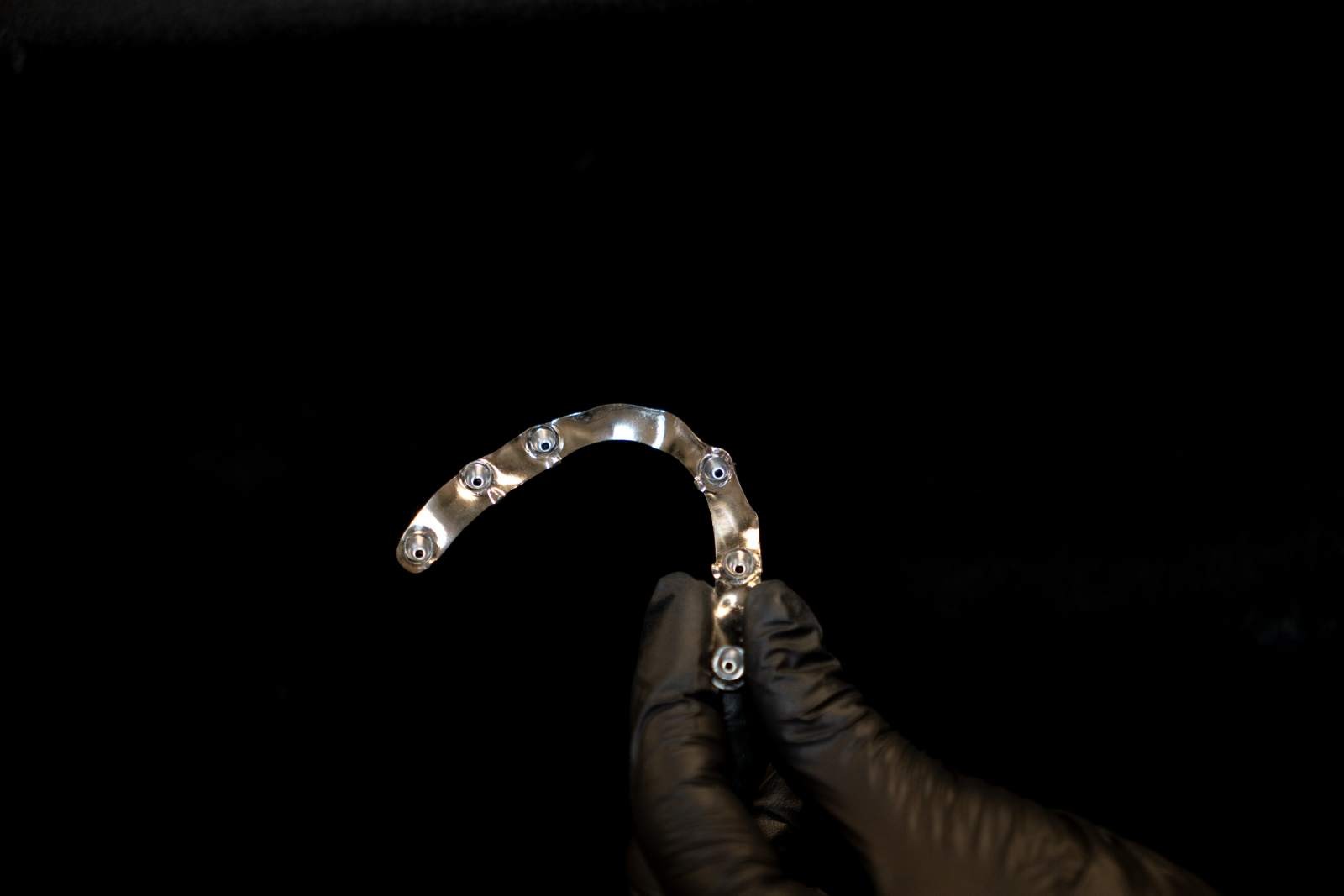
✓ 11. Have the Implant Connections Been Verified?
For implant restorations, confirm:
• Ti-base fit
• Screw channel
• Multi-unit connection
• Screw access angle
⸻
✓ 12. Have the Digital Files and Case Records Been Archived?
At Maestro Dental Lab, every case is managed through our digital laboratory platform. Dentists can monitor case progress, production status, and historical records within a single integrated system. This digital workflow improves communication while ensuring complete case traceability.
Archive:
• STL files
• Exocad files
• Production records
These records are valuable for future revisions or remakes.
⸻
✓ 13. Has the Patient Information Been Verified?
Before delivery, confirm:
• Patient name
• Case ID
• Restoration type
⸻
✓ 14. Has the Restoration Been Cleaned and Disinfected?
The restoration should be:
• Clean
• Fully polished
• Free of manufacturing residues
⸻
✓ 15. Has the Final Visual Inspection Been Completed?
Evaluate the restoration from multiple angles.
Review:
• Symmetry
• Overall esthetics
• Color transitions
• Light reflection
• Overall harmony
Our Quality Control Approach at Maestro Dental Lab
At Maestro Dental Lab, every restoration undergoes a comprehensive multi-step quality control process before delivery. Marginal fit, contact points, occlusion, esthetic details, and material integrity are carefully evaluated by our experienced dental technicians.
Our goal is not only to produce beautiful restorations but also to deliver predictable clinical outcomes and long-term success for both clinicians and patients.

" height="19px" id="G001Zjy9X" transform="translate(3 3)" width="19px"/></svg>)
